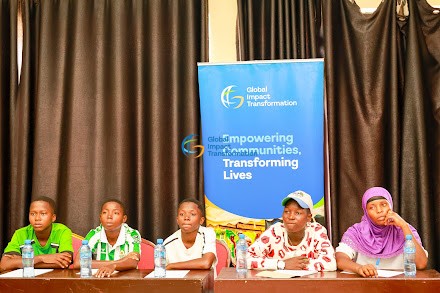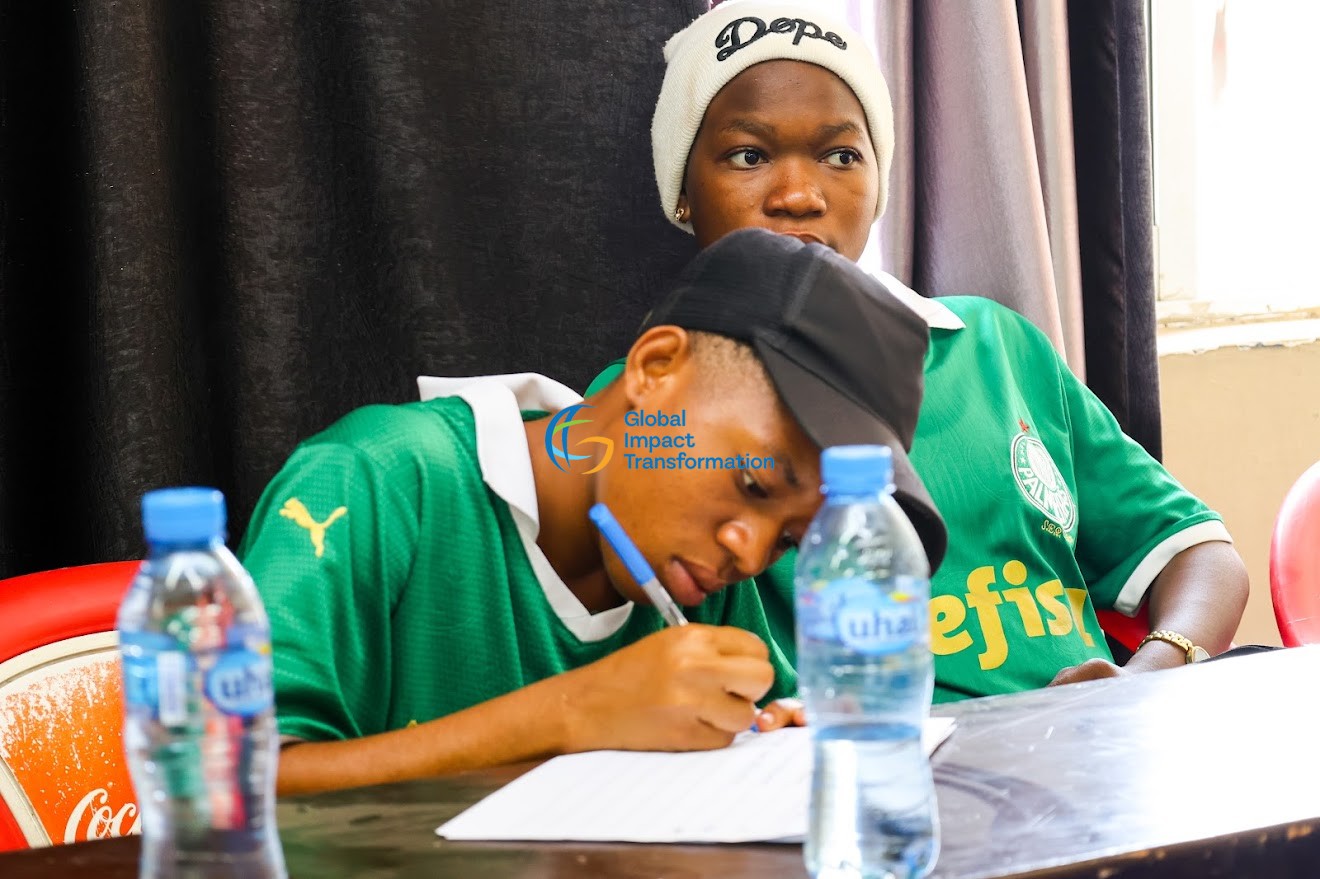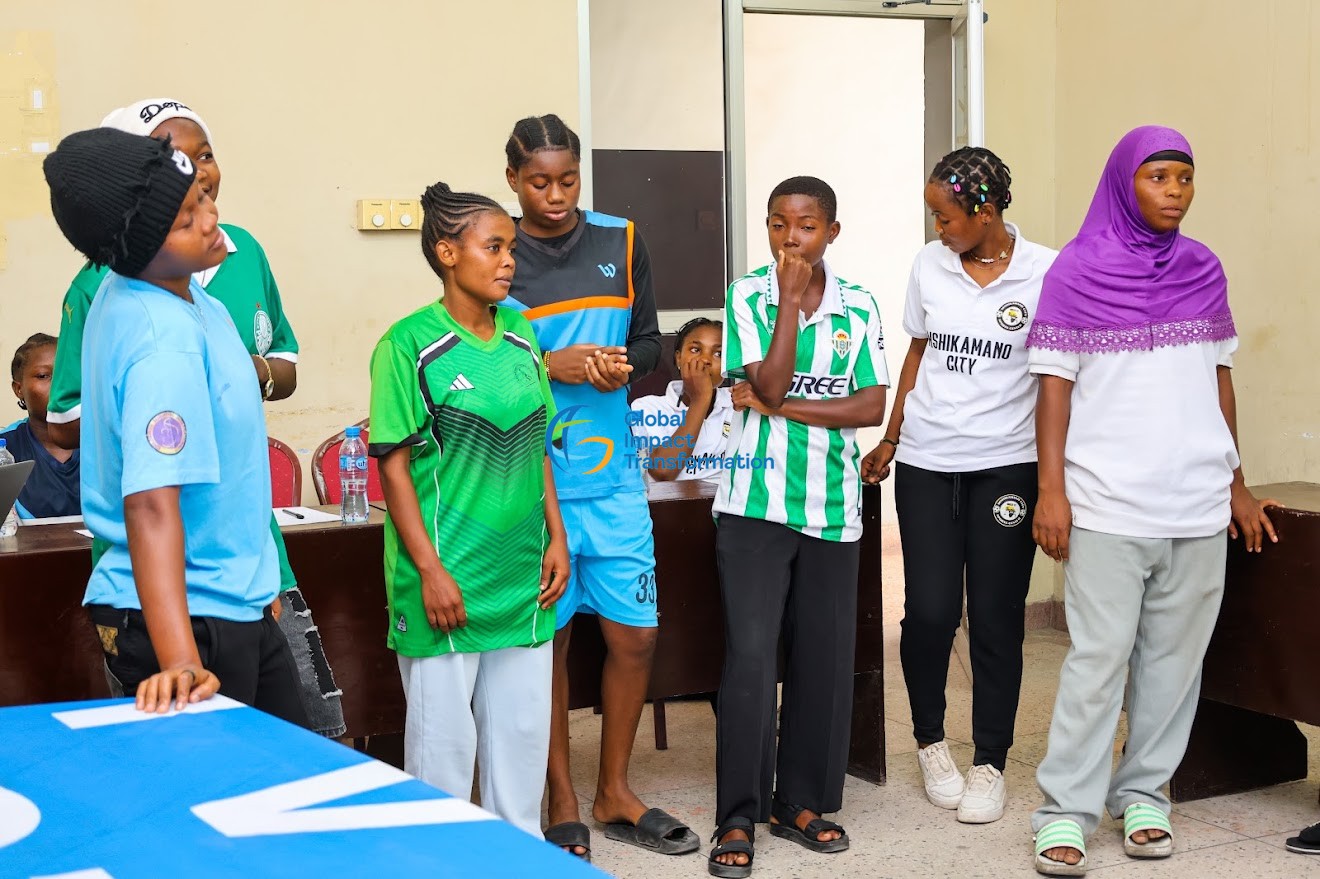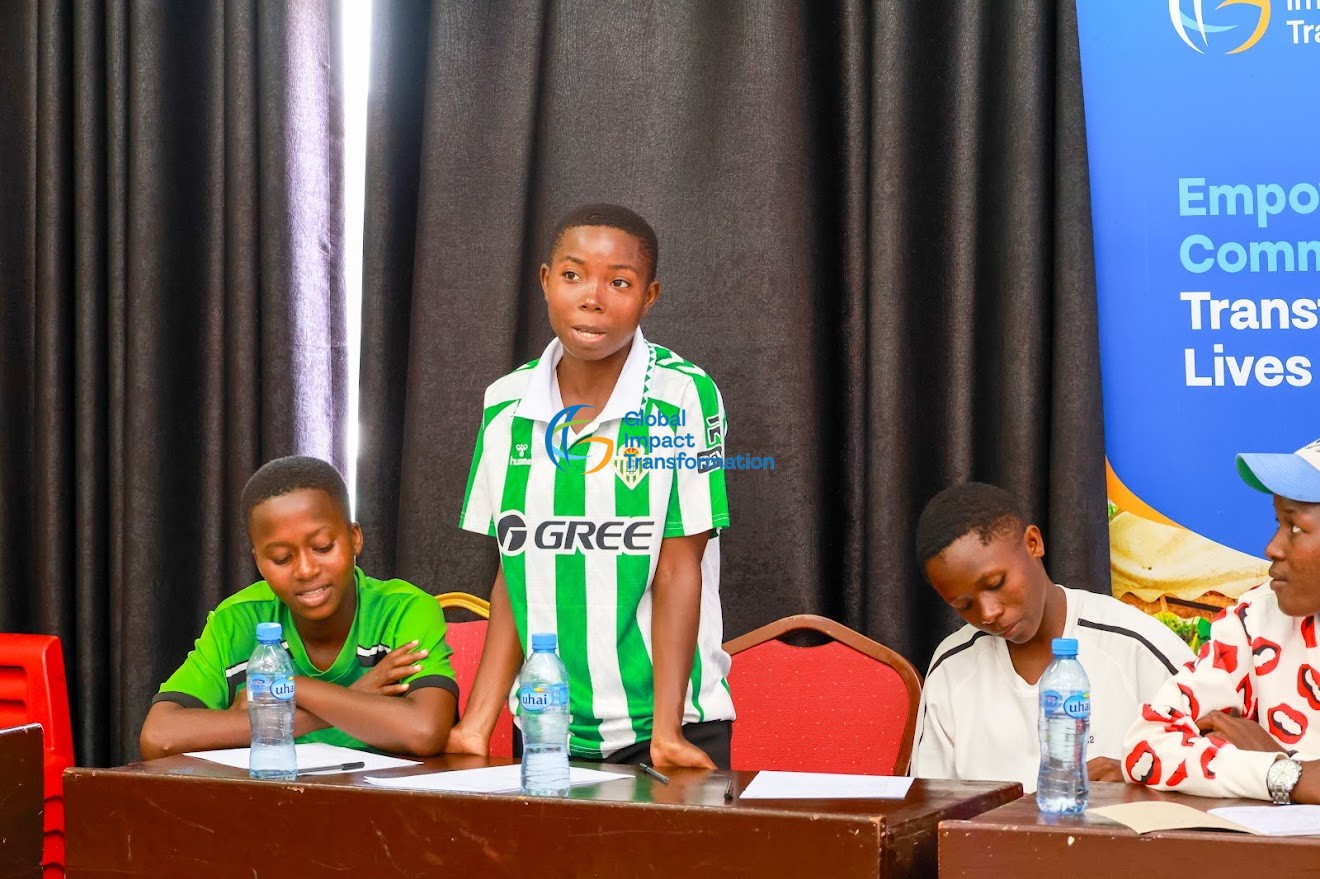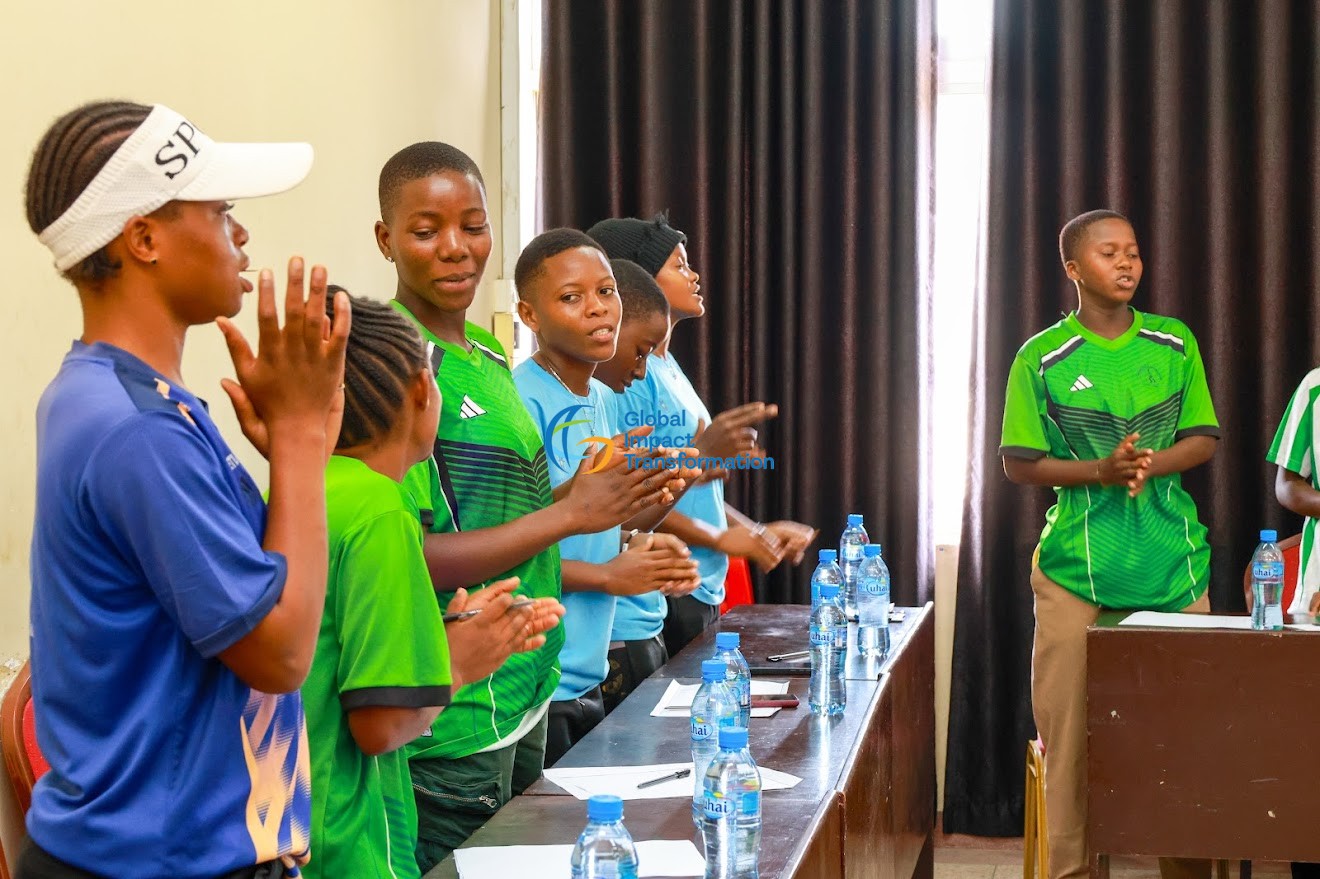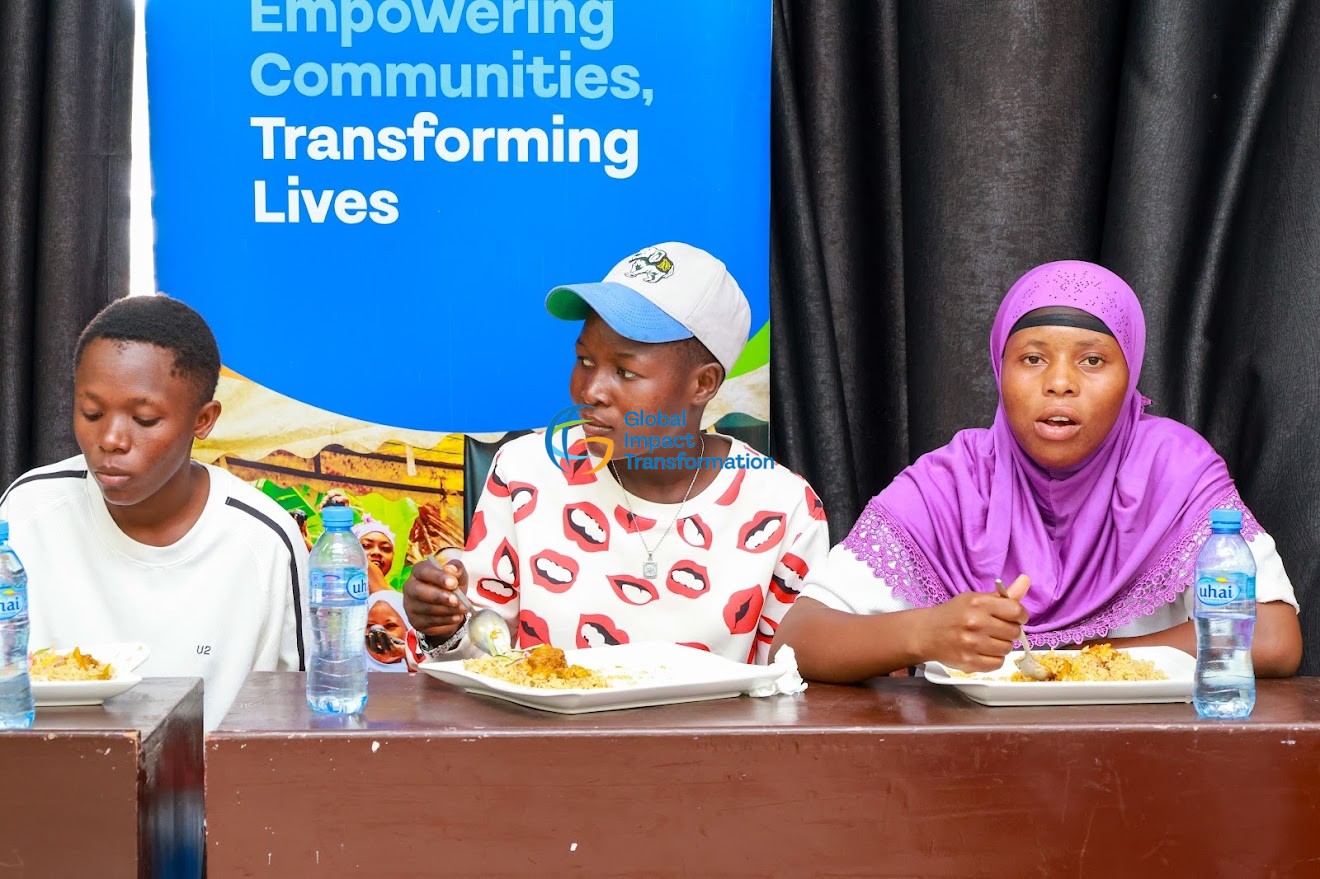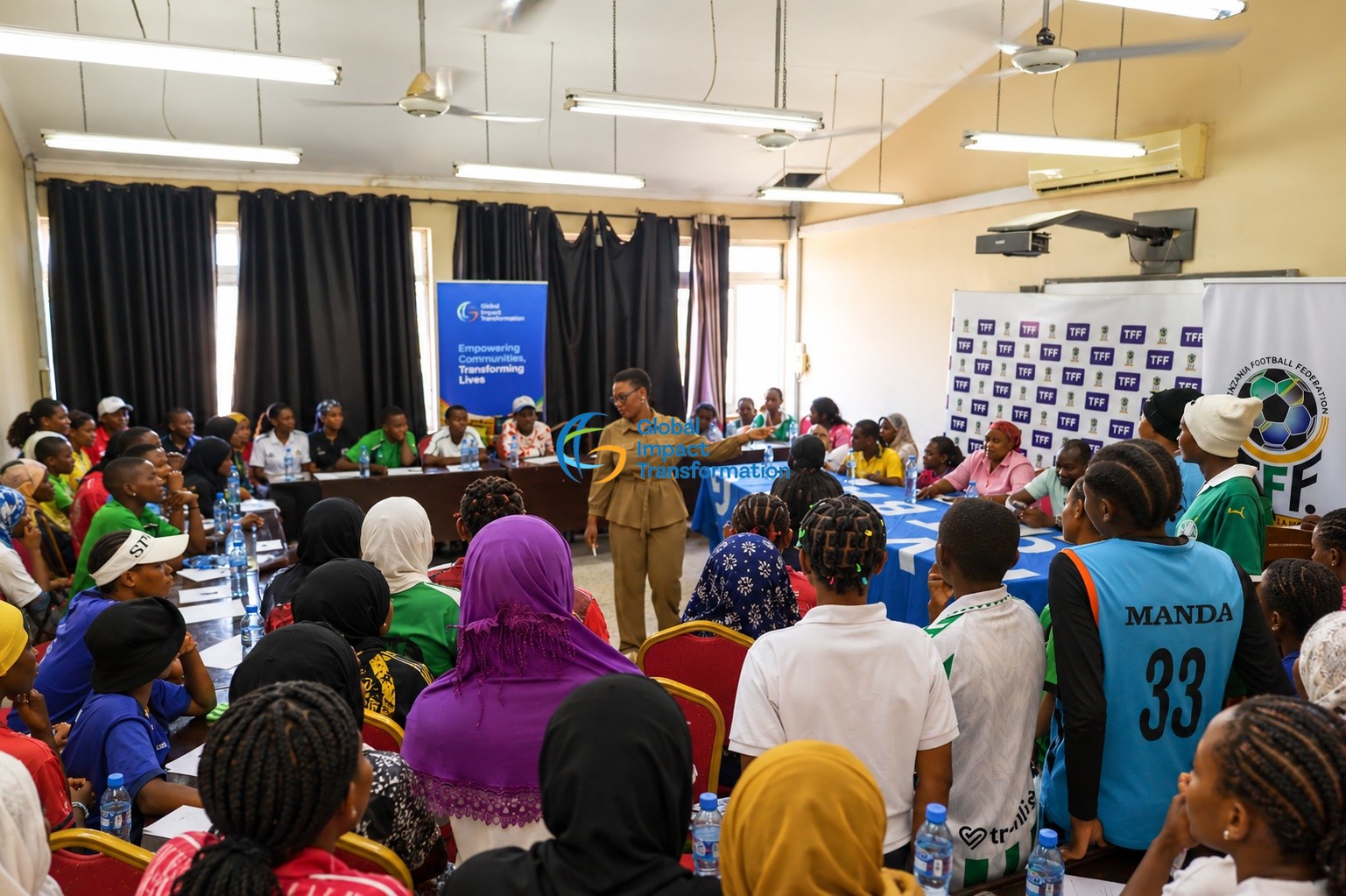
Football is more than a game, for women and girls, it can be a platform for confidence, leadership, visibility, economic opportunity and social change. But as women’s football grows and digital platforms increasingly shape how players communicate, build their profiles and engage with the public, new forms of violence are also emerging. Online harassment, cyberstalking, impersonation, intimidation and other forms of Technology-Facilitated Gender-Based Violence (TFGBV) can follow women beyond the football pitch affecting their safety, dignity, confidence and ability to participate fully in the sport they love. Through Soka Salama, Global Impact Transformation is working with women in football and key football stakeholders to strengthen awareness, digital safety, safeguarding and collective action against gender-based violence. Our message is simple: women and girls have the right to play, lead, compete and be visible without violence, whether offline or online. GIT’s engagement with women’s football has been growing progressively, bringing together women football players, coaches, club management and key football stakeholders around gender equality, safeguarding, leadership and the prevention of violence. Recently, GIT continued this engagement with women’s football clubs and the Tanzania Women’s Football Association (TWFA), creating space for practical conversations around the changing nature of gender-based violence and the risks women and girls increasingly encounter through technology and digital platforms. These engagements build on GIT’s broader work with Tanzania’s women’s football ecosystem, including previous dialogues with male coaches and representatives from women’s football teams on their role in advancing gender equality, creating respectful sporting environments and supporting the leadership and development of women and girls in football. Each engagement reinforces an important lesson: creating safer football requires everyone in the football ecosystem to be part of the solution.
From the Pitch to Digital Spaces: Strengthening Safety and Protection for Women in Football
By Communication team
Technology has transformed modern sport. Social media and digital platforms allow women footballers to build professional identities, communicate with teams, connect with supporters, access opportunities and increase their visibility. Yet the same spaces can expose them to harassment, threats, impersonation, cyberstalking and other forms of digital abuse.
Soka Salama responds to this changing reality by strengthening understanding of Technology-Facilitated Gender-Based Violence (TFGBV) and equipping women in football with practical knowledge and tools to navigate digital spaces more safely and confidently.The initiative promotes digital safety and privacy, awareness of different forms of online abuse, safer use of social media and digital platforms, secure documentation of incidents, understanding of reporting and referral pathways, and stronger safeguarding practices across football environments.
But responsibility cannot be placed on players alone, Coaches, clubs, football associations, administrators and other influential actors all have a role in creating environments where abuse is recognized, prevented and appropriately addressed. that is why GIT’s approach connects individual awareness with institutional responsibility and collective action. For GIT, engagement with football is not limited to what happens during a match, women’s football provides an important platform for conversations about leadership, rights, equality, dignity and the ability of women and girls to participate fully in public life.
Through continued engagement with Tanzania Women Football Association (TWFA), women’s football clubs and other stakeholders, GIT is helping bring the conversation about safety closer to the women who experience both the opportunities and challenges of an increasingly digital sporting environment.
As Sylvia Mkomwa, GIT Country Lead, powerfully reflected:
“Women’s football is more than a game, it is a platform for voice, leadership, dignity, and opportunity, when we invest in girls and women through sport, we create safer spaces, build confidence, and move closer to a future free from gender-based violence.” This vision sits at the heart of Soka Salama.
Women footballers should not have to choose between visibility and safety. A young player should be able to build her profile and pursue opportunities online without accepting harassment as the price of being visible. Women coaches, administrators and leaders should be able to participate in football and digital spaces without intimidation, discrimination or abuse.
FROM AWARENESS TO SAFEGUARDING AND SYSTEMS CHANGE
Addressing TFGBV requires more than awareness, It requires stronger knowledge, safer reporting mechanisms, institutional responsibility, survivor-centered responses and collaboration across the football, gender and safeguarding sectors.Through Soka Salama, GIT is therefore working beyond individual awareness to encourage a broader culture of prevention and safeguarding where players understand their rights and digital safety, clubs are better equipped to recognize and respond to emerging risks, and football stakeholders increasingly understand their responsibility in creating safe and inclusive environments.
The approach is designed to connect change at different levels, when a player has the knowledge to recognize and respond to digital abuse, her ability to protect herself is strengthened, when a club has appropriate safeguarding practices, it is better positioned to respond. When football associations recognize TFGBV as a safeguarding concern, stronger standards and systems can emerge. And when civil society, football institutions, communities and other partners work together, individual actions can contribute to wider and more sustainable change.
The recent engagements with women’s football clubs and TWFA are not the end of the intervention, they are part of a continuing process. GIT will continue engaging women players, clubs, coaches, football associations and other relevant stakeholders to deepen understanding of TFGBV, strengthen digital-safety knowledge, promote survivor-centered safeguarding and referral pathways, document emerging risks and lessons, and support stronger institutional responses.As women’s football continues to grow, our response to the risks facing women and girls must grow with it. Soka Salama therefore seeks to move from individual engagements toward a stronger and more coordinated approach that can reach more women and girls, strengthen club-level safeguarding practices and contribute to a safer women’s football ecosystem.
PARTNER WITH US TO SCALE SOKA SALAMA
The challenge is bigger than any one organization and so is the opportunity for impact.
GIT welcomes collaboration with football clubs and associations, sports governing bodies, government institutions, development partners, technology companies, private-sector partners, civil society organizations, safeguarding specialists, media and other stakeholders committed to advancing the safety, dignity and leadership of women and girls in sport.
Together, we can expand digital-safety education, strengthen prevention and response mechanisms, support safer football institutions, generate evidence on emerging forms of TFGBV and take Soka Salama to more clubs, players and communities.
We invite partners to join us in scaling this initiative and building a football ecosystem where women and girls do not have to choose between being visible and being safe.
Because the future of women’s football is not only about how many women and girls enter the game.
It is about whether they are safe enough to stay, supported enough to thrive, and empowered enough to lead.
Interested in partnering with us? Contact us at info@globalimpacttransformation.org to explore opportunities for collaboration and scale.
SOKA SALAMA — SAFE ON THE PITCH. SAFE ONLINE. SAFE TO LEAD.