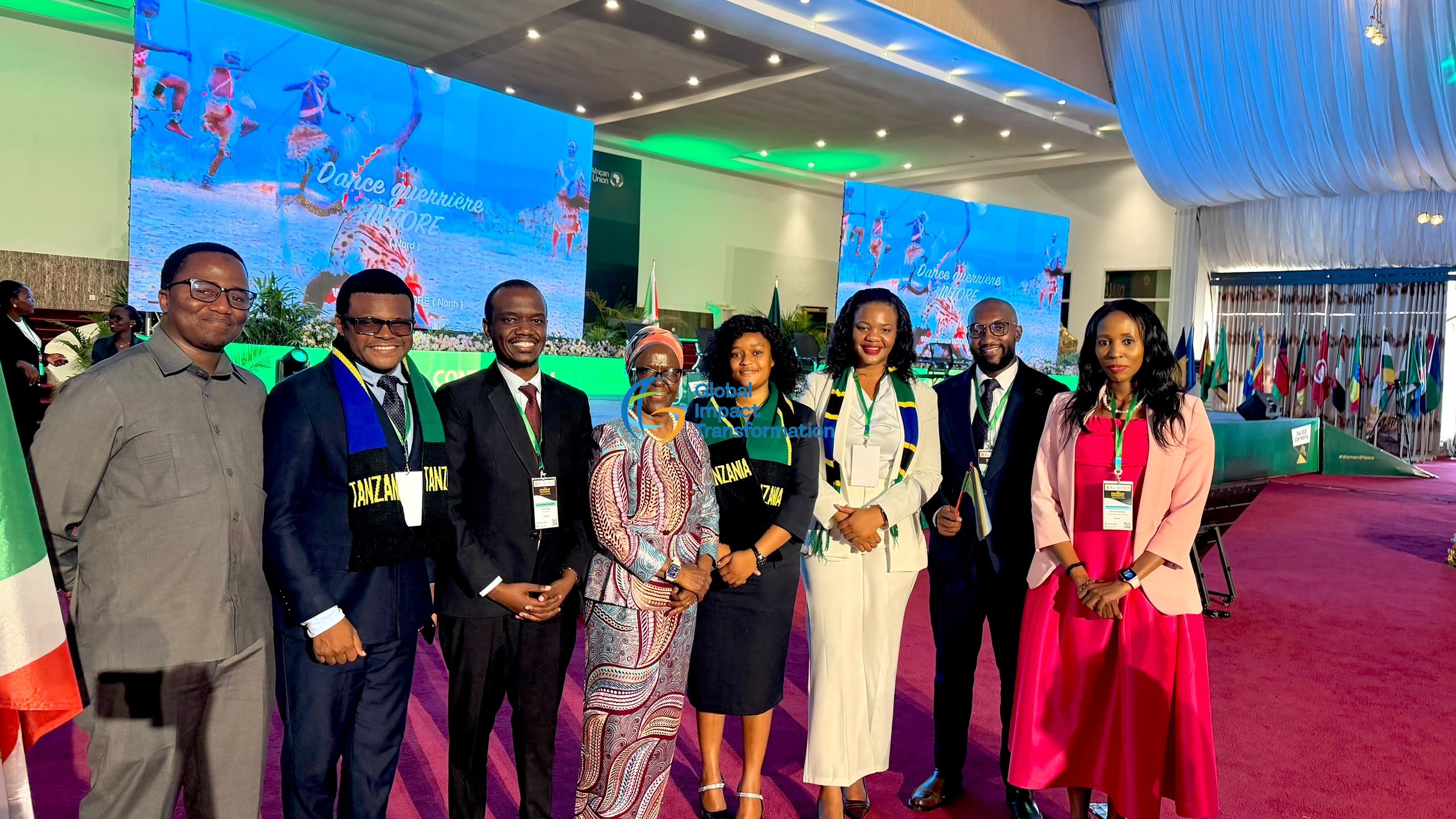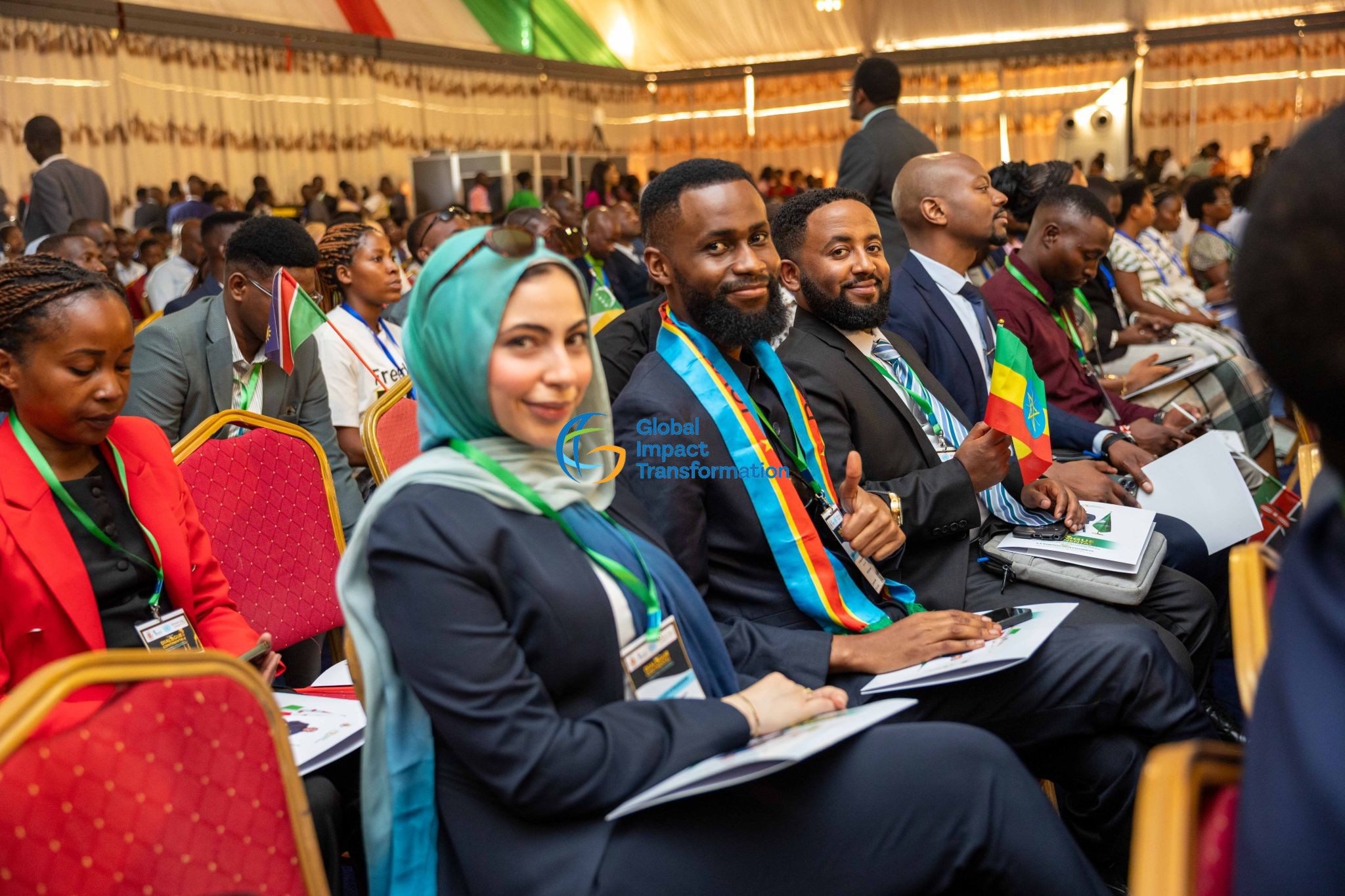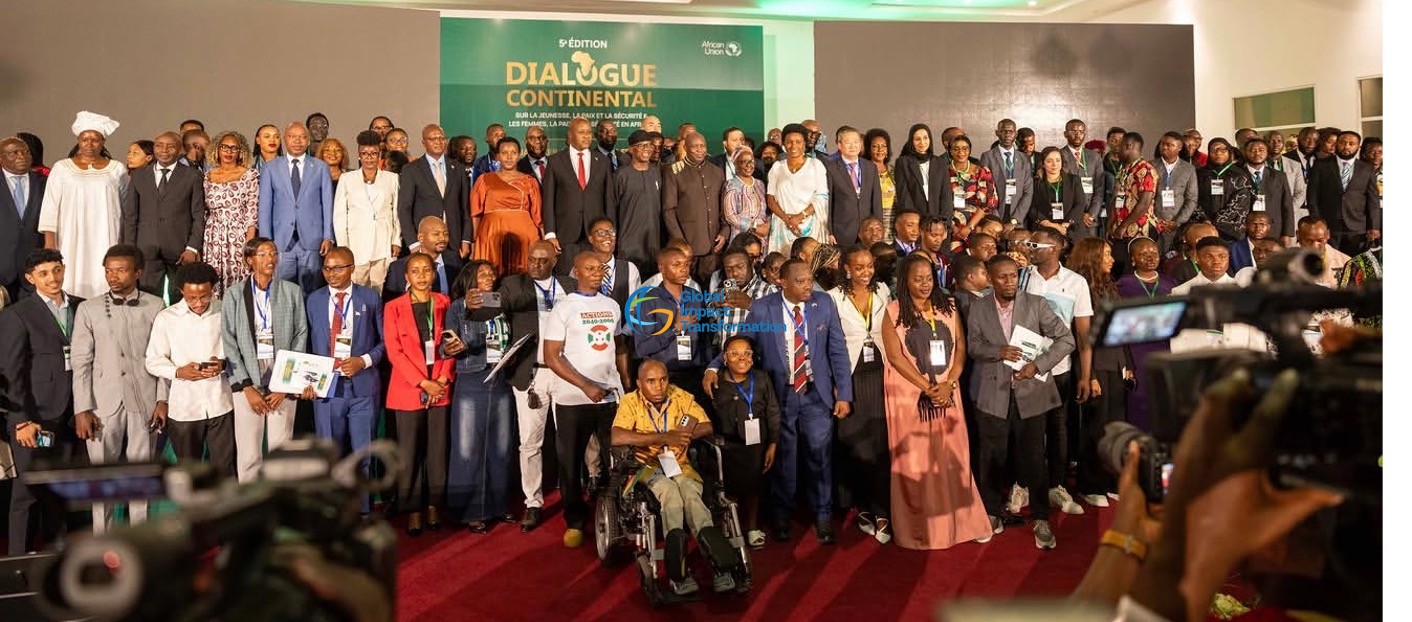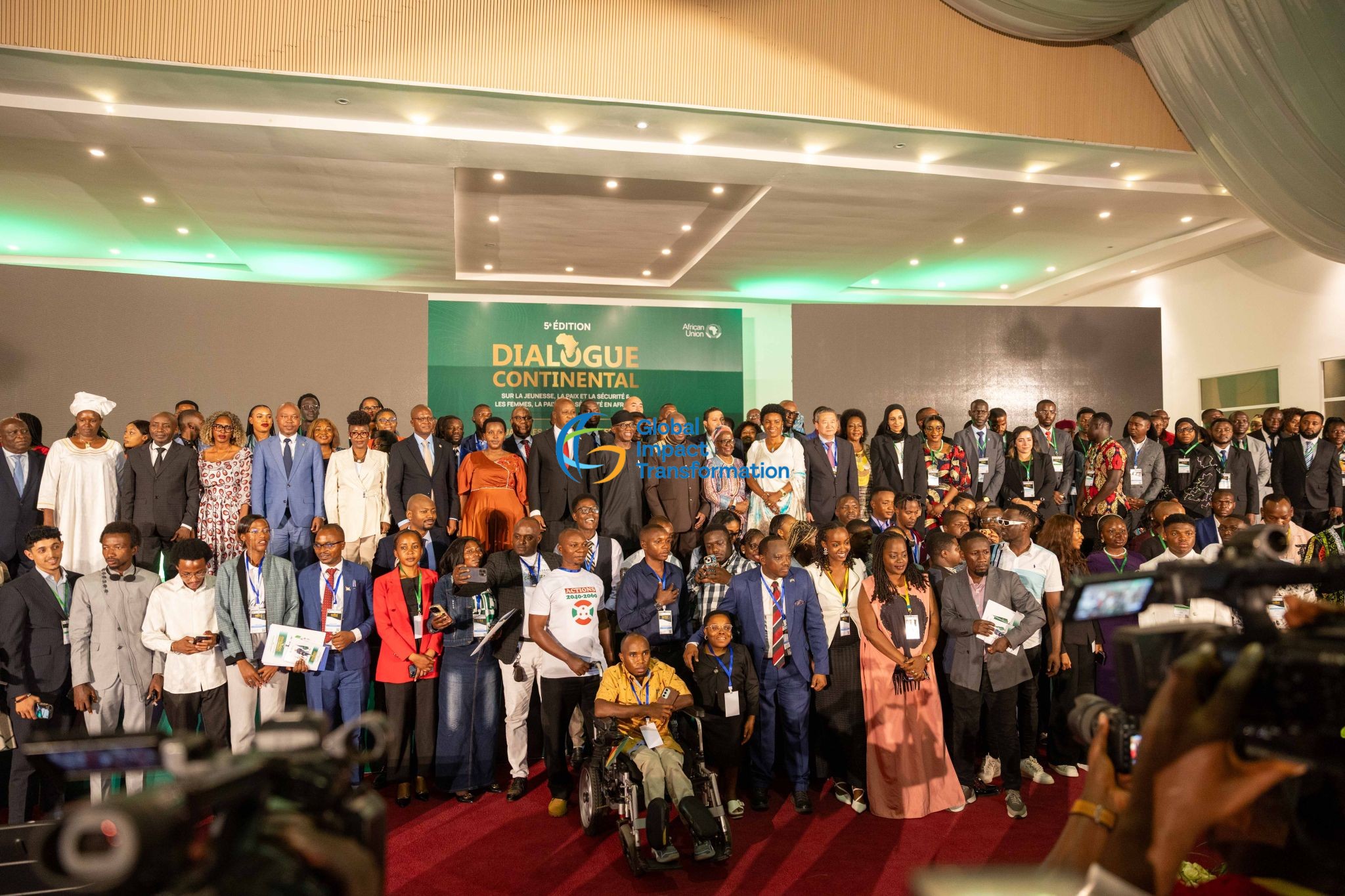
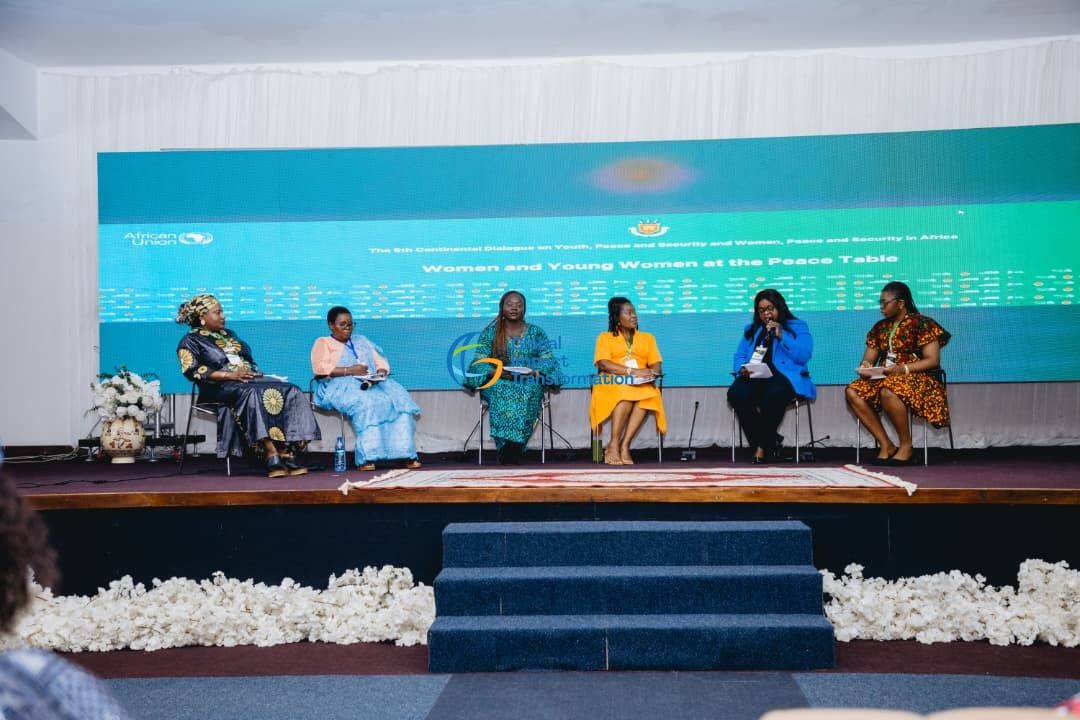
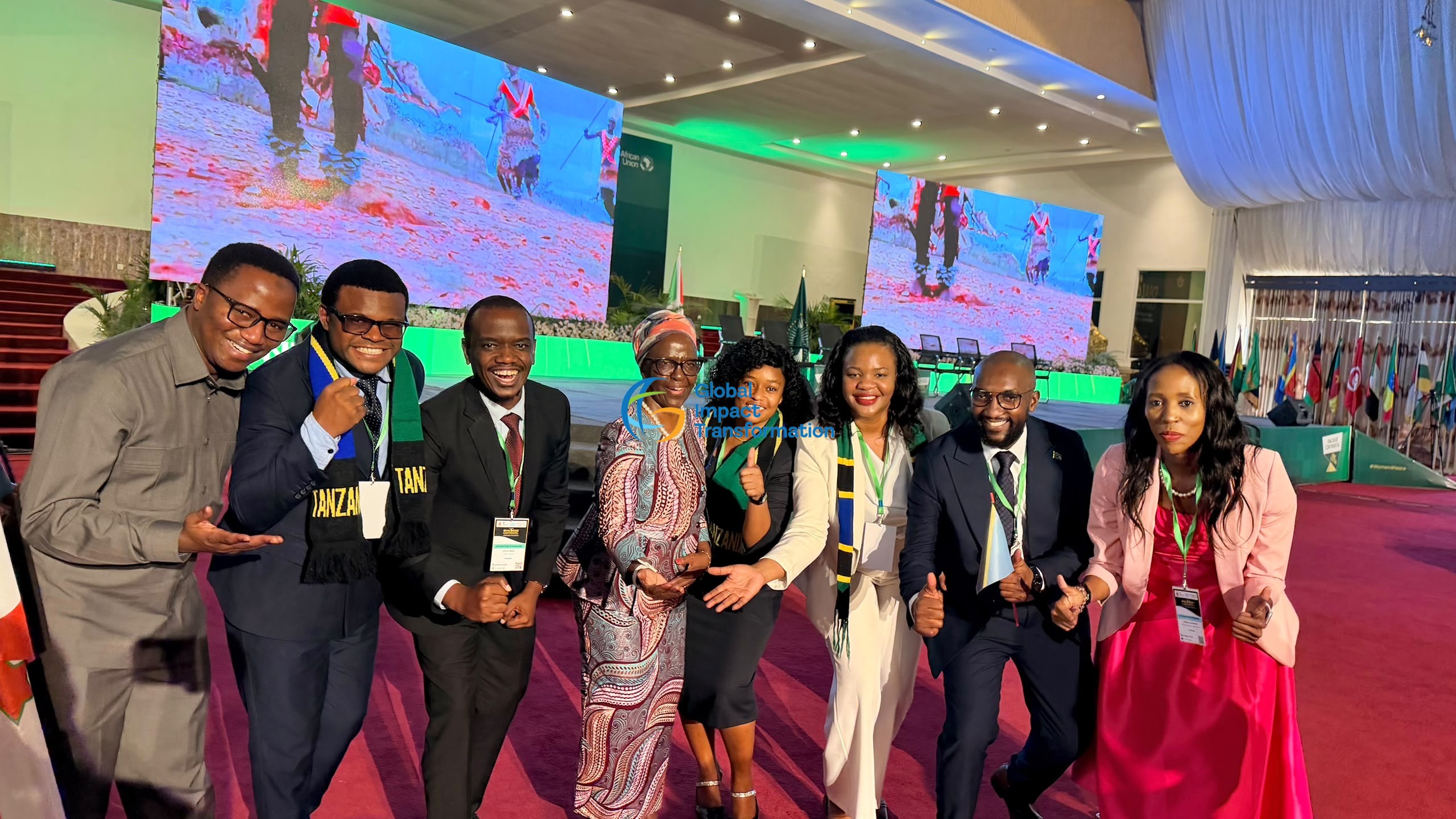
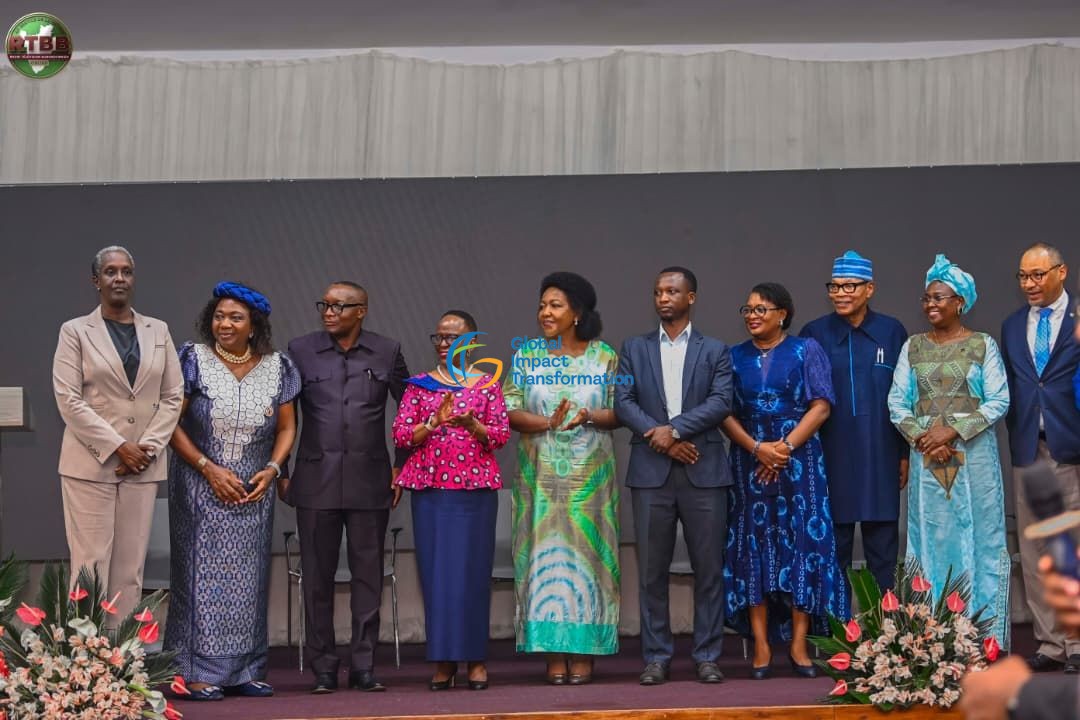
Global Impact Transformation, represented by Sylvia Mkomwa, Country Lead, joined African leaders, senior policymakers, peace building practitioners, women and youth leaders, civil society, development partners and representatives of regional and international institutions at the 5th Continental Dialogue on Youth, Peace and Security and Women, Peace and Security in Africa, held from 10–12 August 2026 at the Kiriri Presidential Palace in Bujumbura, Burundi. The high-level continental gathering provided a strategic platform for advancing Africa’s Youth, Peace and Security (YPS) and Women, Peace and Security (WPS) agendas, with discussions centred on strengthening the meaningful participation and leadership of women and young people in conflict prevention, crisis management and sustainable peace building. The Dialogue also brought renewed attention to the growing connections between peace, climate pressures, natural-resource governance and community resilience, and the need for more inclusive approaches capable of responding to Africa’s evolving peace and security challenges. For Global Impact Transformation, participation in Bujumbura was an important opportunity to engage with continental policy priorities, exchange experiences with peacebuilding actors from across Africa, strengthen regional partnerships and draw practical learning for its community-level work in Tanzania. It also reinforced the organization commitment to connecting grassroots realities and locally led solutions with wider national and continental conversations on peace, resilience and inclusive development.
Building Peace in an Era of Climate and resource pressures
By Communication team,
Across Africa, the foundations of peace are increasingly being shaped by pressures that extend beyond traditional security concerns. Water scarcity, climate variability, environmental degradation and growing competition over natural resources are affecting livelihoods, mobility and relationships within and between communities. These pressures can become particularly significant where they intersect with inequality, economic vulnerability, exclusion and limited access to resources. The Bujumbura Dialogue brought these interconnected challenges firmly into the peace and security conversation, highlighting the importance of responsible and inclusive resource governance, conflict prevention and community resilience. For us, this reinforces the need for peacebuilding approaches that recognize environmental and climate pressures early, strengthen local capacities to manage emerging risks, and ensure that women and young people are meaningfully involved in shaping solutions for more peaceful and resilient communities.
The high-level continental gathering was officially opened by H.E. Évariste Ndayishimiye, President of the Republic of Burundi, Chairperson of the African Union and AU Champion for the Youth, Peace and Security Agenda. The Dialogue also brought together prominent continental leaders and peace actors, including H.E. Angeline Ndayishimiye, First Lady of Burundi; Amb. Bankole Adeoye, African Union Commissioner for Political Affairs, Peace and Security; Amb. Liberata Mulamula, African Union Special Envoy on Women, Peace and Security; representatives of the AU Panel of the Wise; FemWise-Africa; African Youth Ambassadors for Peace; the WiseYouth Network; United Nations representatives; government officials; civil society actors; development partners; and young peacebuilders from across Africa.
Held under the theme “Water, Peace and Inclusive Leadership in Africa: Institutionalizing the strategic role of youth and women in conflict prevention, crisis management and sustainable peacebuilding through responsible resource governance,” the Dialogue placed women and young people at the center of conversations on Africa’s evolving peace and security landscape.
For Global Impact Transformation, participation was more than representation at a continental gathering. It was an opportunity to listen, learn, build relationships and connect continental commitments with the realities of communities in Tanzania.
“Bujumbura reinforced an important message for us: women and young people are not waiting to become peace builders; they are already contributing to peace in their communities. What is needed is greater recognition, meaningful space, stronger investment and systems that enable their voices and leadership to influence decisions. For Global Impact Transformation, the responsibility is to take these continental conversations back to the communities where peace is built every day.”
Sylvia Mkomwa, Global Impact Transformation Country Lead
Water, Resources and the Future of Peace
One of the defining conversations in Bujumbura was the increasingly important relationship between water, natural resources, climate pressures and peace.
Across Africa, water scarcity, changing rainfall patterns, drought, flooding, environmental degradation and competition over natural resources can place additional pressure on livelihoods and communities. Where these pressures intersect with inequality, exclusion or weak governance, they can deepen existing vulnerabilities and tensions. The Dialogue therefore positioned responsible resource governance not simply as an environmental concern, but as an important dimension of conflict prevention, peacebuilding and sustainable development.
This connection is particularly relevant to our work on climate resilience, locally led development and community-based action. Through research and programming, GIT continues to explore how environmental pressures intersect with livelihoods, gender, youth, marginalized communities and social cohesion.
The implication is increasingly clear: building resilient communities also means understanding the relationship between climate, natural resources and peace.
Another powerful message from Bujumbura was the need to move beyond symbolic participation.
Women and young people across Africa are already contributing to conflict prevention, mediation, peace education, community mobilization and local problem-solving. Yet too often, their contributions remain outside the institutions and decision-making structures where peace and security priorities are shaped.
The Dialogue therefore reinforced the importance of institutionalizing the role of women and youth within conflict prevention, crisis management, peacebuilding and resource governance.
The engagement of Amb. Liberata Mulamula, AU Special Envoy on Women, Peace and Security, further underscored the importance of strengthening implementation of the Women, Peace and Security agenda and building stronger connections between WPS and YPS.
For Global Impact Transformation, this closely aligns with its growing work in Tanzania to strengthen women’s leadership, meaningful youth participation, civic engagement, community resilience and locally led peacebuilding.Perhaps one of the most important lessons Global Impact Transformation carries from Bujumbura is that sustainable peace cannot begin only after tensions escalate.
Communities often recognize warning signs early from increasing competition over resources and livelihood pressures to exclusion, harmful narratives and local disputes. The challenge is ensuring that this knowledge can reach institutions and mechanisms capable of responding before risks intensify. This reinforces our commitment to approaches that strengthen community-based early warning and response, dialogue, citizen participation and stronger connections between communities, civil society and relevant institutions. It also underscores a principle central to Global Impac Transformation approach: Communities should not only be consulted about peace they should have meaningful roles in shaping it.
The Dialogue also demonstrated that peacebuilding is no longer confined to conventional spaces. Through platforms such as the Youth Creative Consortium 2.0, young people demonstrated how arts, innovation, creativity and culture can contribute to the African Union’s wider Silencing the Guns agenda. Across the continent, young people are contributing to peace through technology, entrepreneurship, arts and culture, innovation, environmental action, civic engagement, research and community leadership.
This broader understanding of peacebuilding is particularly important for Global Impact Transformation, our work with young people already spans leadership, innovation, entrepreneurship, climate action and civic participation. Connecting these areas more intentionally with peacebuilding creates new possibilities for young people to strengthen social cohesion, dialogue and conflict prevention using the platforms, ideas and skills they already possess.
Taking Bujumbura Home
The true value of a continental dialogue is ultimately measured by what happens after participants return home. For us, Bujumbura strengthened regional connections, generated important learning and reinforced the need to connect continental policy processes with grassroots realities.
Representing Global Impact Transformation, Sylvia Mkomwa returned from Bujumbura with strengthened regional connections and perspectives relevant to the organization’s growing work on Youth, Peace and Security, Women, Peace and Security, climate resilience, civic engagement and community peacebuilding.
Going forward, Global Impact Transformation will continue strengthening partnerships and locally led approaches that create meaningful space for women and young people to contribute to prevention, dialogue, resilience and peacebuilding.
The message from Bujumbura is powerful:
Africa does not lack women and young people ready to build peace. The challenge is ensuring that institutions are equally ready to listen to them, invest in them, include them and trust them to lead.
From Bujumbura to communities across Tanzania, Global Impact Transformation remains committed to translating dialogue into action, connecting local knowledge with wider policy processes and strengthening the role of women and young people in building a more peaceful and resilient Africa.
Partner With Us
Global Impact Transformation welcomes collaboration with governments, African and international institutions, civil society organizations, research institutions, women and youth networks, development partners and peacebuilding actors committed to advancing inclusive and locally led peace and security.
Contact us: info@globalimpacttransformation.org
Empowering Communities. Transforming Lives.

.jpeg)